
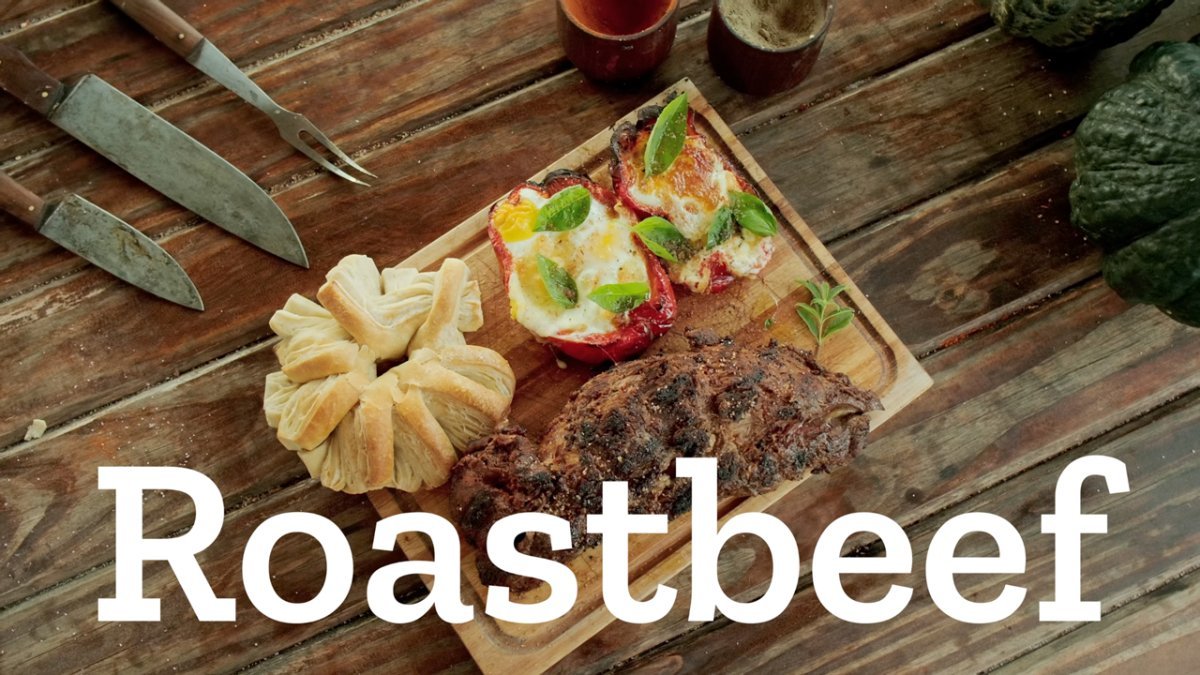
Introduction to asado – Argentine grilling art
What is asado?
Asado is more than just grilling – it is a tradition and a social event deeply rooted especially in Argentina and other South American countries. It is not only about the meat but also about the convivial atmosphere. Grilling usually takes place on a special grill called the "parrilla" and uses slowly glowing charcoal to give the meat a unique smoky flavor.
The importance of roast beef at asado
Roast beef is one of the most popular and high-quality cuts of meat at asado. It is characterized by its tenderness and intense flavor, which comes out perfectly through slow grilling. Roast beef traditionally belongs to the larger cuts of meat that are cooked over a longer time to preserve a juicy core. It is a delicacy that must not be missing at any asado.
Why roast beef is ideal for asado
Roast beef is ideal for asado because it contains both fat and muscle, which ensures a juicy and flavorful result. The fat crust, which melts during grilling, keeps the meat especially tender and adds extra flavor. Additionally, roast beef is excellent for slow grilling, which perfectly fits the Argentine grilling tradition where patience plays a big role.
The right choice of cut
What makes roast beef special?
Roast beef, often also known as "rump steak," comes from the back area of the cow and includes the section between the rib and the hip. It is one of the most tender cuts with an intense meat flavor. Thanks to the light marbling, the meat stays juicy when grilled, making it an excellent choice for asado.
Differences between roast beef and other cuts of meat
Compared to other cuts of meat like ribeye or filet, roast beef has a stronger flavor and a firmer texture. It contains less fat than a ribeye but retains the necessary moisture during grilling thanks to its fat crust. Filet, on the other hand, is more tender but often less flavorful, which is why roast beef offers an excellent balance between tenderness and taste.
How to choose high-quality roast beef
When buying roast beef, you should pay attention to some important factors. A good piece of roast beef has fine marbling, a strong red color, and a distinct white fat crust. The meat should be firm but not too hard, and ideally come from an animal that was naturally fed. Organic meat or grass-fed beef is often the best choice, as it can convince both in terms of taste and ethics.
Preparing the Roast Beef
Choosing the Perfect Cut
The right cut is crucial to prepare the roast beef perfectly for Asado. It should be evenly thick to cook evenly. Usually, the roast beef is grilled as a whole roast, but it can also be cut into thick steaks. It is important to always cut the meat across the grain to make it more tender.
To Marinate or Not? – The Preparation Question
Marinating the meat is often controversial in Asado. Many traditional Asadores prefer not to marinate the roast beef to preserve the natural taste of the meat. Instead, the meat is only sprinkled with coarse sea salt, which intensifies the flavors during grilling. However, those who want a bit more seasoning can rub the meat beforehand with garlic, rosemary, and olive oil.
Spices and Flavors that Refine Roast Beef
The choice of spices should enhance the natural flavor of the roast beef without overpowering it. Coarse sea salt and fresh black pepper are classics. For a more aromatic touch, garlic, thyme, or rosemary can be added. Some grill masters also swear by brushing the meat with chimichurri – a mixture of parsley, garlic, oregano, and olive oil – to give the meat an Argentinean note.
Asado Technique: Grilling Roast Beef
The Art of Slow Grilling
Asado is all about cooking the meat slowly and evenly. The heat source is kept at a low temperature, often with wood or charcoal that burns slowly. This technique ensures the meat stays juicy inside while forming a delicious crust on the outside. Slow grilling allows the flavors of the meat to intensify and prevents it from drying out.
Optimal Temperatures for Juicy Meat
The right temperature is crucial for perfectly grilled roast beef. The optimal grilling temperature for Asado is about 120 to 150 degrees Celsius. The roast beef should be grilled indirectly, meaning not directly over the heat source. This method allows the meat to cook evenly without burning. A meat thermometer is helpful to monitor the exact internal temperature and ensure the meat reaches the desired doneness.
Grilling Methods – Direct vs. Indirect Grilling
When grilling roast beef, there are two main methods: direct and indirect grilling. Direct grilling means placing the meat directly over the heat source, which is suitable for thinner cuts or for quick searing. With indirect grilling, however, the meat is placed away from the heat source, which is especially ideal for thicker cuts like roast beef. This method ensures even cooking and prevents the outside from burning before the inside is done.
The right timing – How long should roast beef be grilled?
Grilling times depending on the thickness of the meat cut
Grilling time depends heavily on the thickness of the roast beef. A whole roast beef about 5 to 7 centimeters thick needs around 1.5 to 2 hours over indirect heat to reach the perfect doneness. Thinner steaks about 2 to 3 centimeters thick require about 10 to 15 minutes per side. It is important to check the meat regularly to ensure it is not grilled too long, which could make it tough.
The perfect doneness: Rare, Medium, or Well Done
The doneness is crucial when grilling roast beef. Many grill enthusiasts prefer roast beef medium-rare, which corresponds to an internal temperature of about 55 to 58 degrees Celsius. Those who prefer medium should aim for an internal temperature of 60 to 65 degrees. For well-done roast beef, the internal temperature is over 70 degrees. It is advisable to use a meat thermometer to hit the desired doneness precisely.
How to monitor the internal temperature
A meat thermometer is the best tool to achieve the perfect internal temperature. The thermometer should be inserted into the thickest part of the roast beef, avoiding bones or fat as this could distort the reading. Once the desired temperature is reached, the meat should be taken off the grill and allowed to rest for a few minutes so the juices distribute evenly.
The art of serving
Cutting roast beef properly
The right cut is crucial to serve roast beef tender and juicy. It is important to always cut the meat across the grain. This shortens the muscle fibers and makes the meat feel more tender when chewing. A sharp knife is essential to get clean, even slices.
Accompanying side dishes and sauces for the perfect Asado experience
The right side dishes and sauces are essential for a good roast beef at an Asado. Classic sides like grilled vegetables, potatoes, or fresh salads are an ideal complement. Additionally, the Argentine sauce "Chimichurri" is a must – a mixture of parsley, garlic, oregano, and olive oil that pairs perfectly with grilled meat. Salsa Criolla, a sauce made from onions, tomatoes, and peppers, is also a popular choice.
Common mistakes when grilling roast beef and how to avoid them
Too much heat – How to avoid burnt meat
One of the most common mistakes when grilling roast beef is using too high heat. The meat can burn on the outside while still being raw inside. To avoid this, the roast beef should be grilled over indirect, even heat. It is also important not to place the meat directly over the heat source too early. A good technique is to place the meat over direct heat only at the end for a short time to get a crispy crust.
Wrong timing – When to let the meat rest
Another mistake is cutting the meat immediately after grilling. Roast beef should rest for at least 10 minutes after grilling. This resting period allows the meat juices to distribute evenly throughout the meat, making it juicier and more flavorful. Cutting the meat too early causes a lot of juice to be lost and the roast beef becomes dry.
Proper handling of fat and bones
When grilling roast beef, fat is an important flavor carrier but should be handled properly. Too much fat can make grilling difficult as it can drip into the coals and create smoke that makes the meat bitter. It is advisable to trim the fat layer but not remove it completely. Bones, on the other hand, can help keep the meat juicier by distributing heat evenly. When roast beef is grilled on the bone, cooking takes a bit longer, but the result is juicier.
Conclusion – Roast beef at an asado: A must for meat lovers
Roast beef is an outstanding cut of meat that really shines at an asado. With the right technique, patience, and high-quality ingredients, it becomes a true highlight at any barbecue party. Whether grilled directly or indirectly, the combination of tender meat, spicy flavors, and traditional side dishes makes roast beef at an asado an unforgettable taste experience. Those who master the basics of grilling can’t go wrong with roast beef at an asado – a real treat for meat lovers!
FAQs
-
How does roast beef differ from ribeye and filet? Roast beef is more flavorful and less fatty than ribeye, but a bit firmer than filet. It offers a perfect balance between tenderness and taste.
-
Can roast beef be grilled directly? Direct grilling is suitable for thinner cuts, but for optimal results, roast beef should be grilled slowly and indirectly.
-
What is the ideal temperature for roast beef? The ideal grilling temperature is about 120 to 150 degrees Celsius, with an internal meat temperature of 55 to 58 degrees Celsius for medium-rare.
-
How long should roast beef rest before serving? It should rest for at least 10 minutes to allow the meat juices to distribute evenly and keep the meat juicy.
-
Which side dishes go best with roast beef? Grilled vegetables, fresh salads, and chimichurri sauce are classic accompaniments for roast beef at an asado.
Leave a comment
All comments are moderated before being published.
This site is protected by hCaptcha and the hCaptcha Privacy Policy and Terms of Service apply.